How to Optimize Seed Palletizer Uptime With Preventive Maintenance

Harm Geurs, Global Market Strategy Leader - Bag Filling and Palletizing
How to Optimize Seed Palletizer Uptime With Preventive Maintenance
7:34
In seed operations, downtime rarely happens at a “convenient” time. It shows up during peak seasonal runs, when orders are stacked up, labor is stretched thin, and every hour of lost production puts pressure on people as much as equipment. When a palletizer goes down at the end of the line, it doesn’t just stop pallets. It backs up baggers, interrupts flow, creates rework, and puts maintenance and operations teams in constant reaction mode.
The good news is that most palletizer downtime in seed plants is preventable. Not through guesswork or emergency fixes, but through a structured preventive maintenance approach that reflects how seed facilities actually run: multiple bag sizes, frequent changeovers, dusty environments, and tight production windows.
In this post, we’ll explain what preventive maintenance looks like for seed palletizing systems and walk through a practical, step‑by‑step approach to building a maintenance schedule that protects uptime, pallet quality, and your team’s sanity.
Who We Are
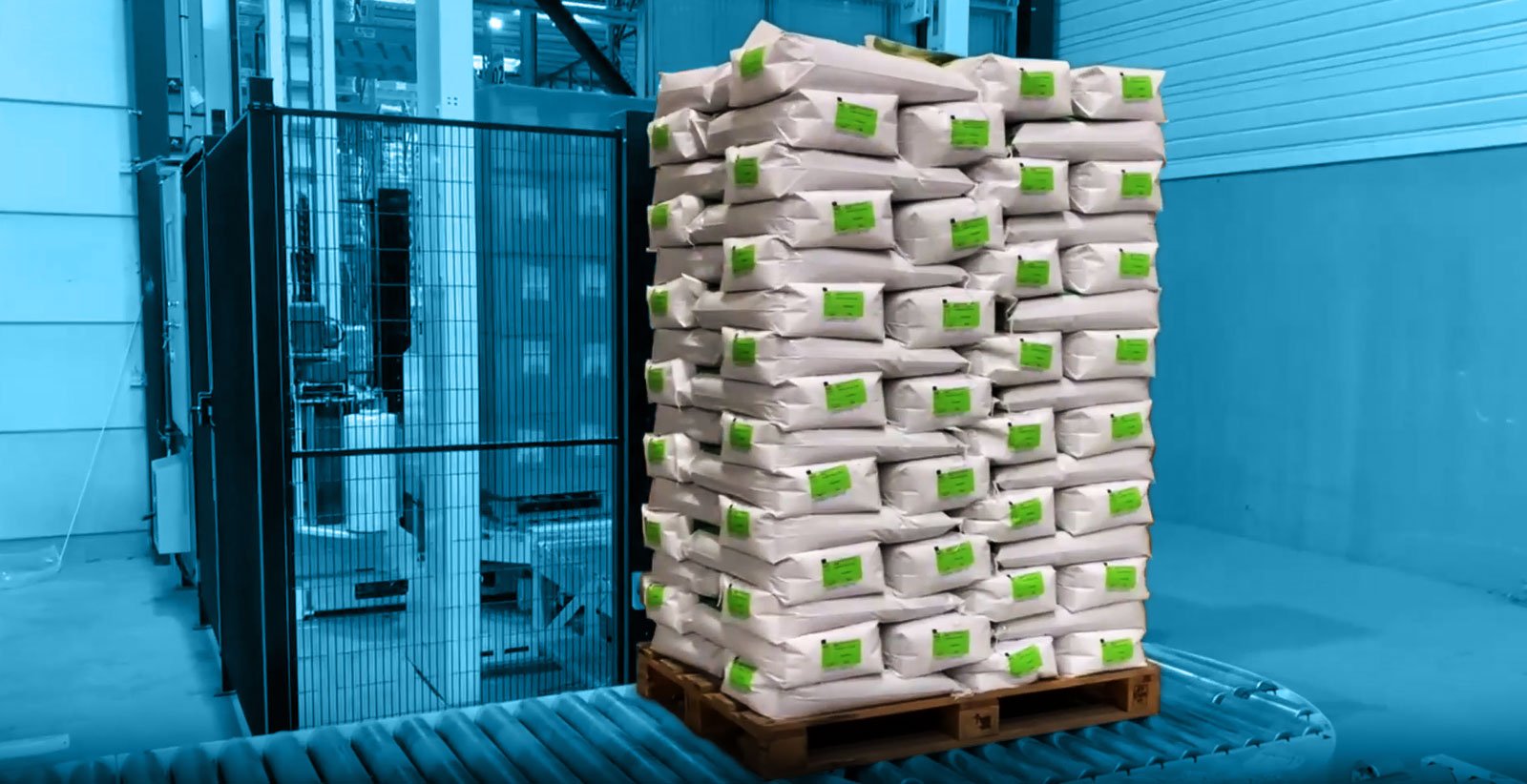
Symach palletizers create stable, square pallets to protect seed quality and boost end-of-line efficiency. Built for diverse seed operations, these systems gently handle bags and form precise layers, resulting in uniform pallets that hold up during storage and shipping.
As part of the BW Packaging portfolio of machine brands, Symach solutions are backed by expert support, integrated system design, and ongoing partnership – helping seed processors reduce risk, maximize uptime, and modernize their palletizing processes.
What Is Preventive Maintenance for Seed Palletizers, and Why Does It Matter?
Preventive maintenance (PM) is the practice of servicing equipment before failures occur, based on usage, environment, and known wear points, not just calendar intervals. For seed palletizers, PM is especially critical because pallet quality, load stability, and uptime are closely tied to gentle handling, precise placement, and clean operation.
In seed plants, palletizer issues often show up as:
- Unstable or inconsistent pallets
- Bag damage or misalignment
- Frequent sensor faults caused by dust
- Small mechanical issues that escalate into full stoppages
A well‑designed PM program reduces unplanned downtime, extends equipment life, and helps ensure pallets perform reliably through storage, transport, and automated distribution systems.
How to Build a Preventive Maintenance Schedule for Seed Palletizers
Effective preventive maintenance isn’t about doing more work, it’s about doing the right work at the right level. The most reliable seed operations use a tiered approach that clearly defines what operators, maintenance technicians, and OEM partners are each responsible for.
Step 1: Establish Daily Operator Checks
Operators are your first line of defense. They see the palletizer every shift and often notice subtle changes long before alarms appear.
Daily operator checklist:
- Perform a visual inspection for spilled seed, broken pallets, or debris in infeed, layer‑forming, and discharge areas
- Listen for unusual noises during startup or slow‑speed operation
- Confirm safety guards and interlocks are secure and functional
- Check for obvious air leaks or signs of abnormal wear
- Run a short test cycle to verify smooth bag handling and consistent placement
These checks take minutes, but they often prevent issues that would otherwise stop production hours later.
Step 2: Schedule Weekly and Monthly Technician Tasks
Technician‑level maintenance addresses the mechanical, pneumatic, and electrical systems that operators don’t typically access during production.
Weekly focus areas:
- Lubricate chains, bearings, and moving components using correct specifications
- Inspect and adjust belt and chain tension
- Clean and verify sensors and photo‑eyes exposed to seed dust
- Confirm pneumatic pressures are within operating range
Monthly focus areas:
- Inspect end‑of‑arm tooling or bag handling components for wear or alignment drift
- Check electrical connections for looseness or heat damage
- Verify calibration of sensors and positioning systems
- Review fault history to identify recurring or developing issues
In seed environments, dust accumulation and frequent SKU changes make these checks especially important.
Step 3: Use OEM Service Strategically, Not Reactively
Most well‑run seed facilities handle the majority of routine maintenance internally. OEM service adds the most value when it’s applied where design knowledge and long‑term system perspective matter most.
OEM service is best used for:
- Restoring baseline performance after years of incremental adjustments
- Evaluating wear limits against original design tolerances
- Diagnosing complex or infrequent failure modes
- Advising on control system settings and software updates
- Verifying integration between palletizers, baggers, and downstream equipment
For Symach palletizers, OEM technicians bring insight from hundreds of similar installations, helping ensure the system continues to place bags gently, accurately, and consistently as designed.
Common Seed Palletizer Failure Points, and How to Prevent Them
Understanding where problems typically occur helps you focus maintenance efforts where they deliver the biggest return.
End‑of‑Arm Tooling and Bag Handling Systems
Bag handling components interact with every bag that moves through the palletizer.
Common issues:
- Wear on contact or support surfaces
- Alignment drift affecting bag placement
- Sensor feedback errors
Prevention strategies:
- Include bag handling inspection in daily checks
- Verify alignment and calibration monthly
- Stock critical wear components to avoid emergency downtime
Symach palletizers use a manipulator‑based handling approach that supports bags throughout placement, reducing stress, but consistent condition and alignment are still essential.
Conveyors and Infeed Systems
Most palletizer stops originate upstream.
Common issues:
- Jams at conveyor transitions
- Misaligned bags entering the palletizing zone
- Dirty or misaligned photo‑eyes
Prevention strategies:
- Inspect transitions weekly
- Clean sensors every shift
- Ensure smooth speed and height transitions
Pallet Dispensers and Bases
Empty pallet handling is simple, until it isn’t.
Common issues:
- Damaged pallets causing jams
- Dust‑related sensor faults
- Wear on chains and guides
Prevention strategies:
- Inspect pallets before loading
- Clean dispenser sensors weekly
- Lubricate moving components per specifications
Tips and Reminders for Preventive Maintenance in Seed Operations
- Maintenance intervals should be driven by usage and risk, not the calendar
- Dust control and cleaning are uptime strategies, not housekeeping tasks
- Small, frequent adjustments prevent major downtime events
- Maintenance success reduces stress on people as much as equipment
In seed operations, preventive maintenance is more than an equipment strategy, it’s a way to stabilize production, protect pallet quality, and reduce the constant pressure that comes with unplanned downtime. When done well, PM turns palletizers from a potential bottleneck into a reliable part of your operation.
The goal isn’t perfection. It’s predictability.
Learn More
Did you find this information useful? You can discover more insights, tools, and solutions tailored for feed producers by visiting our seed palletizing solutions webpage.